Circumcision, Colonialism & the Danger of Calling Other People's Traditions "Barbaric"
As someone who has spent years studying indigenous traditions, one thing I've learned is that there is a profound difference between choosing not to participate in a cultural practice and declaring that practice barbaric.
As someone who has spent years studying indigenous traditions, one thing I've learned is that there is a profound difference between choosing not to participate in a cultural practice and declaring that practice barbaric. Unfortunately, I see that distinction disappearing in many corners of the modern holistic movement.
If you've spent any time in the holistic birth community lately, you've probably noticed a growing trend. Midwives, doulas, influencers, and wellness accounts are increasingly speaking out against circumcision, often describing it as "barbaric," "mutilation," or an outdated Western medical procedure.
Parents absolutely have the right to decide what is best for their own children. If circumcision doesn't align with your family's values, don't do it. That is your choice.
But there is an entirely different issue that deserves attention.
When people with no cultural, spiritual, or historical connection to circumcision begin publicly condemning it as a barbaric practice, they are not simply criticizing a medical intervention., They are condemning sacred traditions that have existed for thousands of years among indigenous peoples, Jews, Muslims, and numerous African cultures.
Circumcision Did Not Begin in the Modern Hospital
The conversation on social media often assumes circumcision is simply something invented by Western medicine. Today, approximately 37–39% of males worldwide are circumcised, and researchers estimate that roughly half of all circumcisions are performed for religious or cultural, not medical, reasons.
Among Jewish communities, circumcision (Brit Milah) is performed as the physical sign of the covenant between God and Abraham, a practice maintained continuously for thousands of years.
Among Muslims, circumcision has long been understood as an important act of purification, obedience, and religious identity, and is practiced by the overwhelming majority of Muslim men around the world.
Across Africa, the picture is even richer.
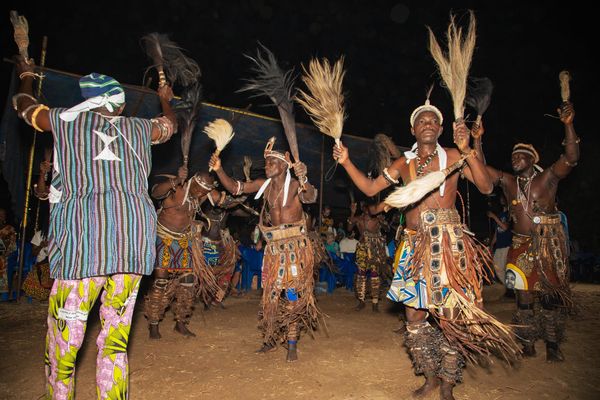
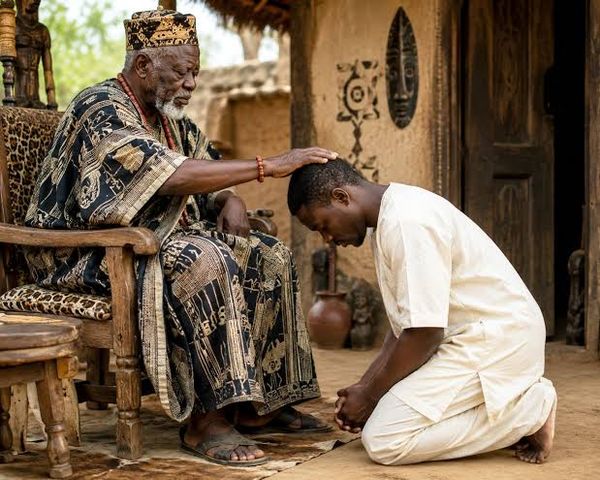
For countless indigenous nations, circumcision is not merely a physical procedure. It is part of initiation, discipline, responsibility, community identity, and cornerstone in a man’s spiritual purification. While customs vary, most groups have preserved these rites of passage for centuries, long before colonial medicine existed.
These are not "Western" practices. Many are among the oldest continuously practiced cultural traditions on Earth.
We Have Seen This Before
For centuries, European colonizers justified the destruction of indigenous cultures by labeling their ceremonies primitive, savage, uncivilized, or barbaric.
Sacred dances became "witchcraft." Traditional healing became "superstition." Indigenous spirituality became "paganism." Coming-of-age ceremonies became "uncivilized."
The language changed. The mindset did not.
Today, when influencers with hundreds of thousands of followers dismiss sacred traditions they have never studied as "barbaric," they may believe they are speaking from compassion. But history reminds us that condemning another people's traditions without understanding them has always been one of colonialism's favorite tools.
You don't have to participate in a tradition to respect that it belongs to someone else's culture.