Beyond the Technological Republic: How the Global Majority is Choosing Nature
– 4 min read

by Djedka Zeshera
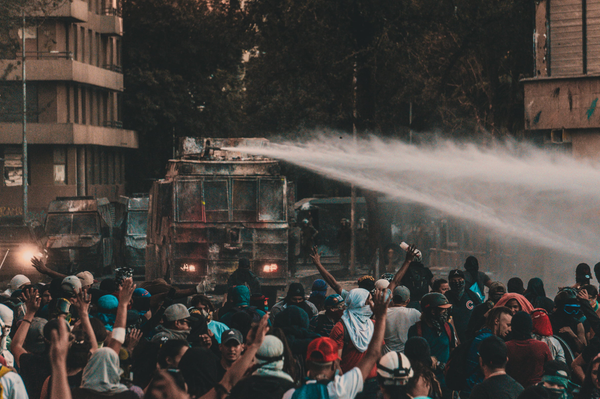
The rift between the working class and the ruling class has never been wider. Not just in the financial disparity but in the vision for the future that the haves and have-nots hold in their minds. In our history books we read about aristocrats luxuriating in their palaces while the working class toils in the farms living meager lives. Today we continue to find ourselves in that reality in our societies, with the wage gap growing wider and wider. With that gap, the vision of what the future should look like looks strikingly different between the two sides.
Alexander Karp, the CEO of Palantir, recently released a Manifesto that outlines his vision for the future. The manifesto is a 22-point summary of Karp's book "The Technological Republic: Hard Power, Soft Belief, and the Future of the West," posted to X where it quickly amassed over 32 million views. Among its points: that Silicon Valley has a "moral debt" to contribute to U.S. defense, that AI will define the next era of military power, and that the U.S. should consider reinstating the military draft. In this manifesto, one thing becomes increasingly clear: the idea that the ruling class — now intertwined with tech — is focused on fusing human destiny with technology. There is a clear call for the government to continue embedding AI and surveillance into the daily lives of Americans. Palantir itself has been building an AI platform that identifies and tracks noncitizens for years. The company's AI targeting system has also been used by the U.S. military in active combat. The reasoning behind this? The same reasoning outlined in history books: because the ruling class believes itself more qualified to decide our future than the average citizen. The manifesto states this plainly, calling on the West to resist what it calls the "shallow temptation of a vacant and hollow pluralism", a rejection of the idea that everyday people, in all their diversity, should have a say in shaping the world they live in.
The painful reality is that most human beings currently have no choice but to participate in the very technological world being built around them by the upper echelon of society. AI tools, digital surveillance, and algorithmic systems have become an inescapable part of daily life, prerequisites for employment, education, and basic participation in society.
Although there seems to be no end to the power that tech rulers have acquired, there is one layer of checks and balances looming over all of our heads that is rarely talked about. The reality is that no matter what the ruling class envisions and plans for society (while the rest of humanity sits in the passenger seat) there will always be one authority that must agree for that plan to take shape and hold.
Nature ultimately has the final say.
Any reality that we as a society decide to create will inevitably produce a reaction in nature. Whether you understand Nature's reaction to be sentient as most indigenous cultures believe, the fact remains: there will always be action and reaction. Their vision of the future will absolutely have a domino effect on the planet, and we as the passengers will pay the price.
There is a stark difference from what was described at the opening of this article (a technological republic) and what the vast majority of people want, and the data tells the story clearly. According to the UNDP's Peoples' Climate Vote 2024 — the world's largest public opinion survey on climate change, representing 87% of the global population — four out of five people worldwide want their governments to strengthen commitments to protect nature. This is a clear call from the global majority. Instead of the dystopian technological future the ruling class is pulling us toward, there is a growing call for returning to simplicity and nature: for growing food, small communities, and indigenous ways of life. It is worth noting that this longing is not just a Western trend, it is loudest among the people who have the least buffer from the consequences. The UNDP survey found that in the world's least developed countries, 63% of people think about climate change daily or weekly, compared to the global average of 56%. The global majority. The billions who live closest to the land, whose food, water, and survival depend directly on nature are not asking for more AI, they are asking for living harmoniously with nature. People from all over the world are searching for ways of living that reconnect them to simplicity, not complex technological systems.
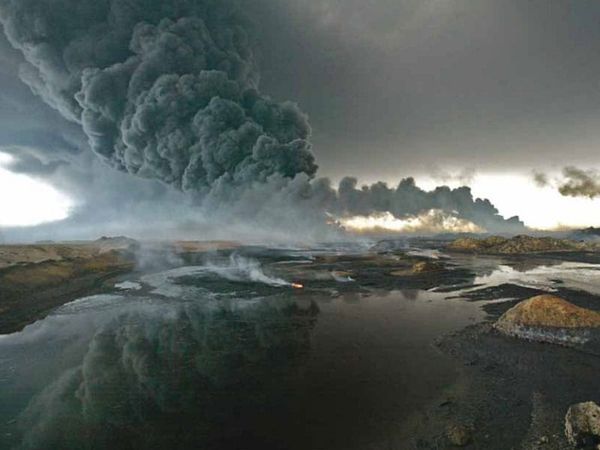
Only time will tell what this clash of ideologies between the ruling class and the average person will produce. It is clear that the ones who will first feel the impact of these decisions are those who live closest to nature, and the ones without the financial cushion to soften Nature's reactions. Drought, natural disasters, and crop failures are increasing, and while the tech elite continue to eat cake in their castles, it is the rest of us who will feel the consequences of the ultimate authority: Nature.
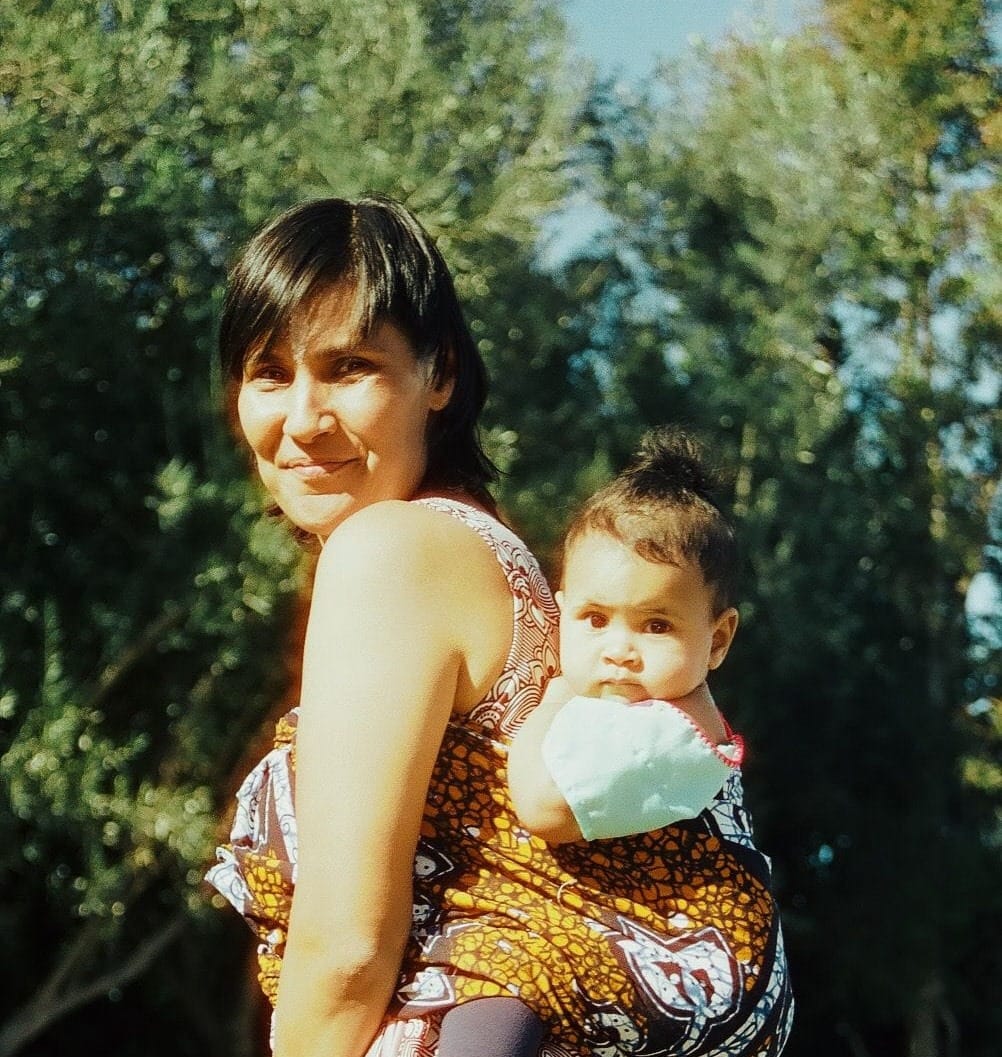
Real movements are taking shape. People are not simply rejecting the technological future being handed to them,they are building alternatives, looking to indigenous peoples and indigenous forms of governance as a blueprint for what a sustainable community actually looks like. Interest in indigenous knowledge systems is growing, and communities around the world are organizing themselves around those principles as preparation. People are readying themselves for the consequences of a civilization that has persisted in believing it can dominate nature.
History has something to say about what happens when the ruling class eats cake while the rest of humanity calls for change…. and it is a story that rarely ends well for those with the sweet tooth.
For resources on learning indigenous ways of living visit kebtah.org